

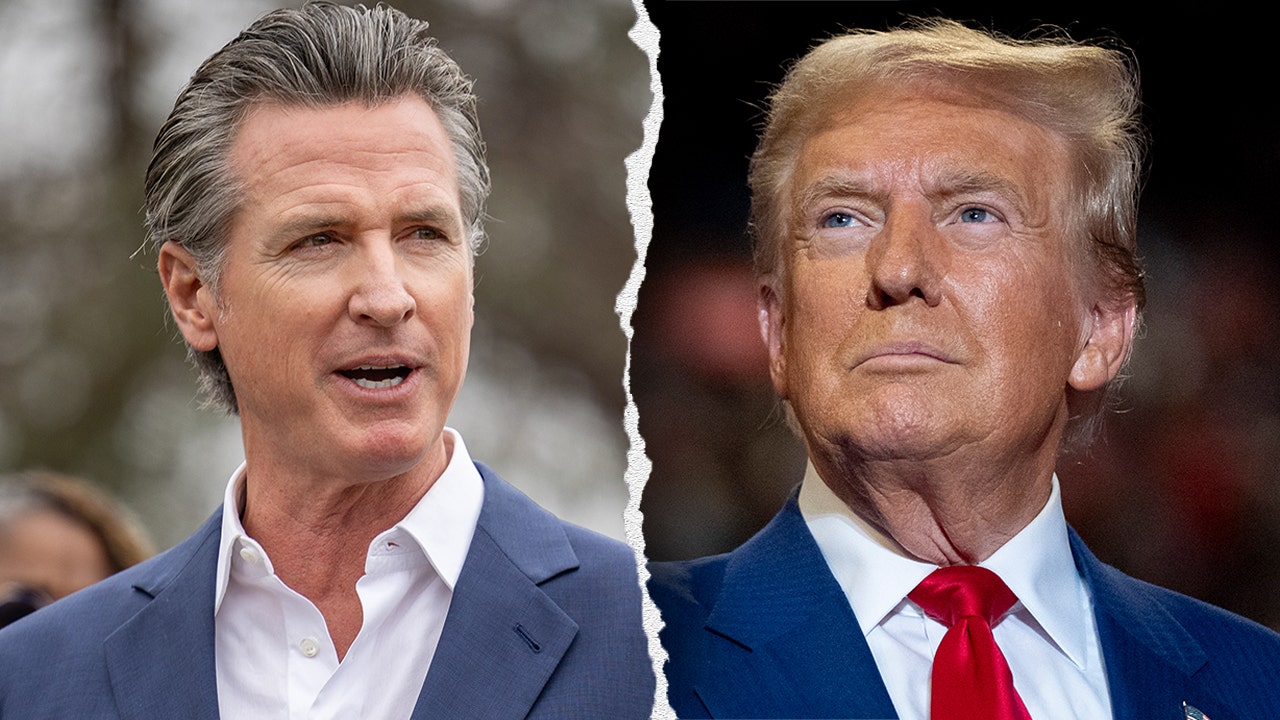
More than 40% of Californians voted for President-elect Trump in the 2024 election, marking the most votes for a GOP presidential candidate in the blue state since George W. Bush’s re-election in 2004. Experts believe that Californians are not as far left as Governor Newsom thinks, as evidenced by the results of several state ballot measures and the ousting of progressive figures such as Los Angeles County District Attorney George Gascon. Trump may have lost California to Vice President Kamala Harris, but his electoral showing in the state increased significantly, with his percentage of the vote rising by six points from 2016 to 2020. Susan Shelley, VP of communications for the Howard Jarvis Taxpayers Association, noted that Trump built a cross-party coalition and reached individuals who have not benefited from existing policies.
Regarding California’s clean-energy mandates, Shelley pointed out that everyone’s electricity bills are higher due to climate policies, making it an issue that crosses party lines. She believes that Trump’s promise to increase domestic energy production and bring down energy costs resonated with California voters. The passage of Proposition 36, which aimed to reverse certain soft-on-crime policies authored by Gascon, shows that many Californians are not as far left as the state legislature. Gascon was also voted out of office, reflecting a desire for change and a shift towards more centrist policies in the state.
California was ground zero for various culture wars, including issues in children’s education and transgender rights, which may have contributed to Trump receiving more votes in the state. Lance Christensen, a political expert, highlighted that many Californians grew tired of Governor Newsom’s actions and felt that progressive policies were being amplified in D.C. under the Biden-Harris administration. Newsom signing a new law banning schools from notifying parents of their child’s gender identity received pushback from parents, leading to protests and a lawsuit against the governor. This indicates a shift in the partisan landscape of California towards more centrist and rational politics.
In response to Trump’s victory, Newsom called a special emergency session with the state legislature to bolster the blue state’s legal response to potential attacks on their values and laws. Newsom expressed his readiness to fight for fundamental civil rights, reproductive freedom, and climate action, stating that California will not go back on progress made. However, Newsom also mentioned that he is willing to work with the incoming president, indicating a potential shift towards cooperation between California and the federal government. Overall, the political landscape in California seems to be heading towards a middle ground where issues are addressed sensibly, rather than being divided strictly along red-blue lines.